
IBFAN SEA Breastfeeding Conference
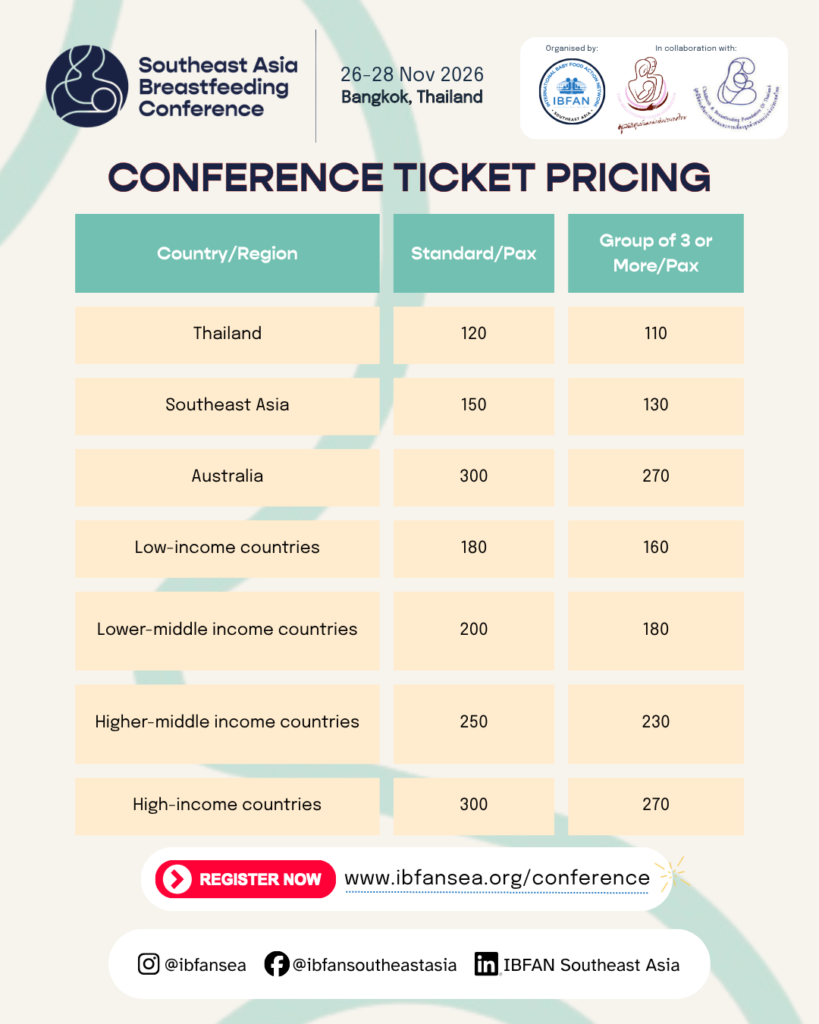
Conference Fee
Individual and Group Pricing:
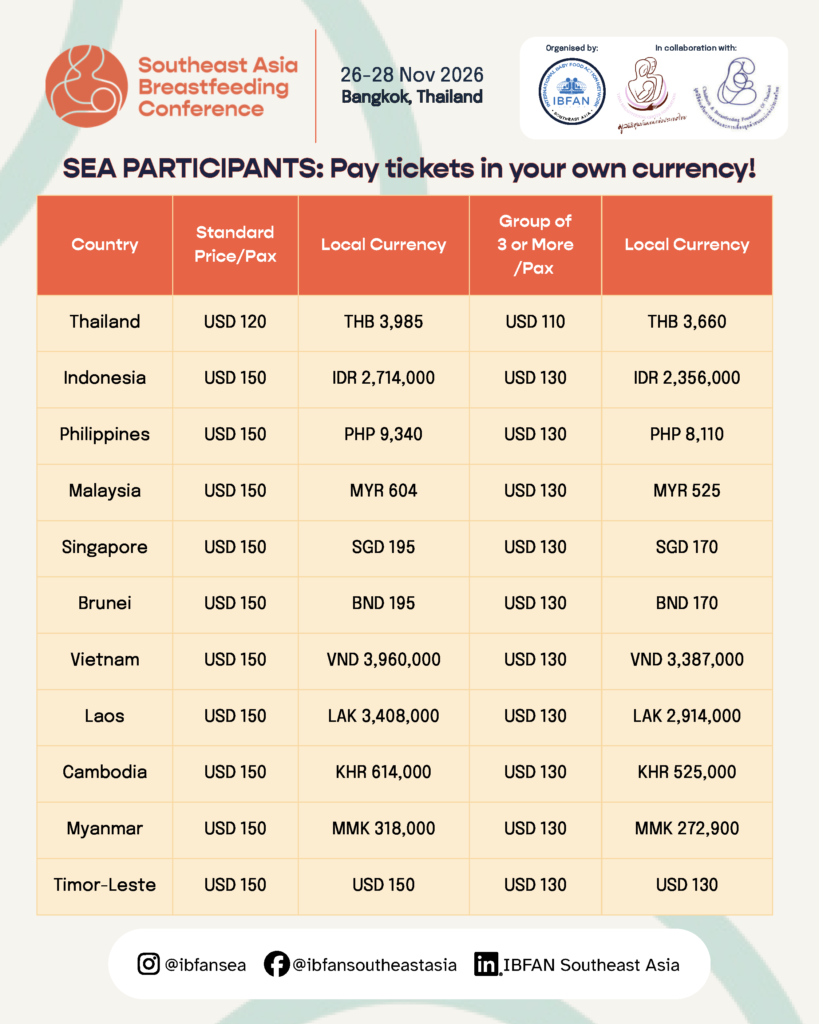
Fees in SEA Local Currency:

The digital era has transformed how families receive information—and how they are targeted by commercial interests. On this day, participants will explore how evolving online marketing tactics challenge the International Code, and how Southeast Asia can strengthen digital monitoring and consumer literacy. Together, we will reimagine Code implementation for the age of AI, algorithms, and influencers, ensuring that mothers and families are empowered to make informed decisions free from exploitative marketing.
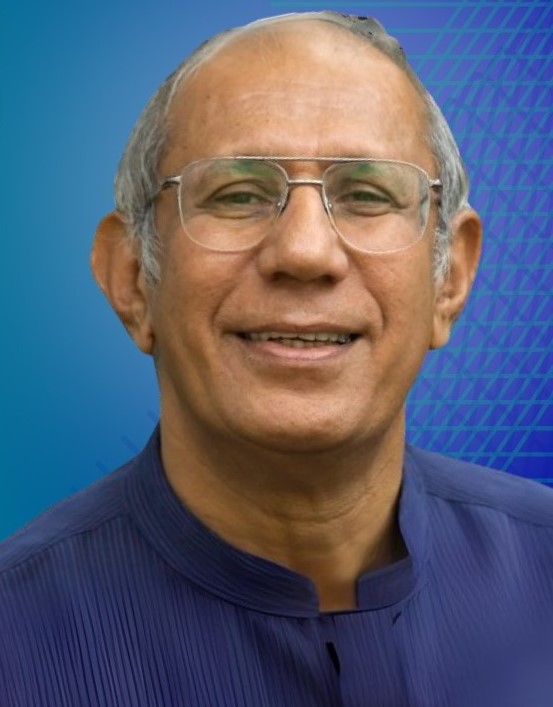 Dato’ Seri (Dr.) Anwar Fazal
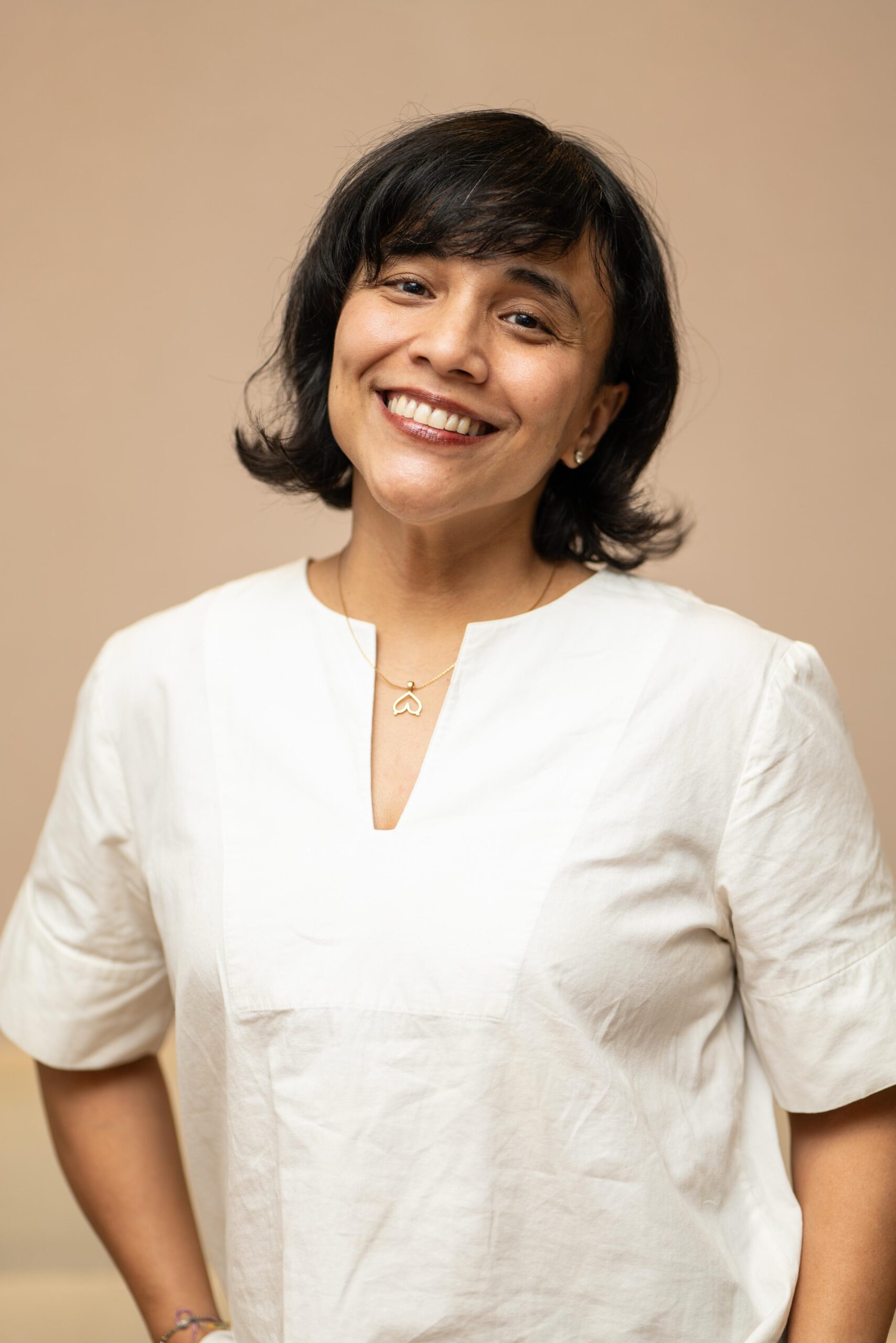 Nia Umar, S.Sos., MKM, IBCLC
 Constance Ching
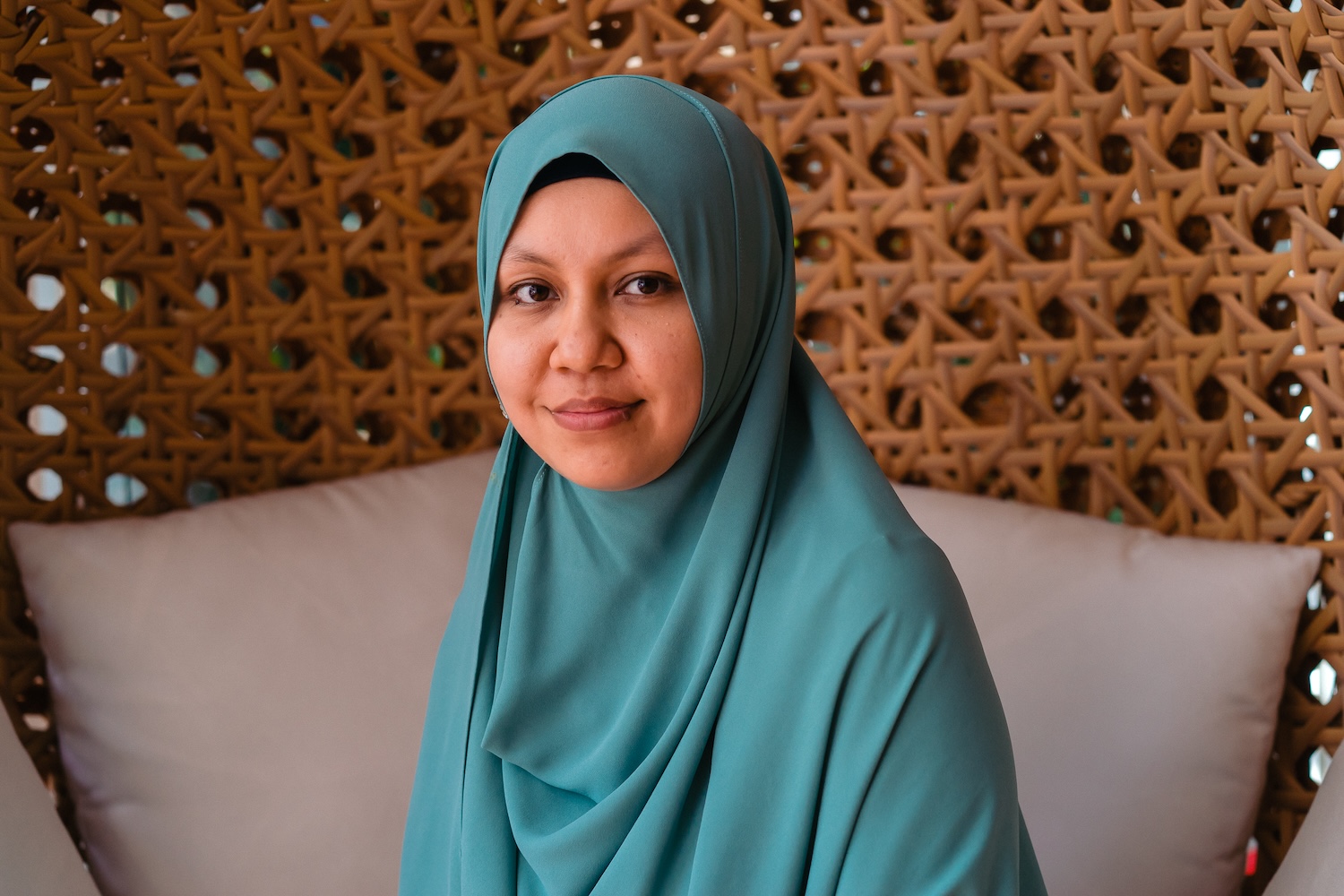 Nabila Hanim A Razak, IBCLC
Climate change and recurring disasters place breastfeeding mothers and infants on the frontlines of vulnerability. This day highlights breastfeeding as both a survival strategy and a sustainable, climate-friendly practice. Sessions will address IYCF in emergencies, integration into disaster preparedness, and regional innovations in resilience. By linking ecological justice with infant feeding, the discussions will frame breastfeeding as an essential pillar in Southeast Asia’s climate adaptation and sustainability agendas.
 Dr Karleen Gribble
 Dr Julie P Smith, B Ec (Hons)/B A (Asian Studies), PhD
 Ma. Ines Av. Fernandez
Breastfeeding cannot thrive without strong systems and rights-based protections. On the final day, the conference will focus on building inclusive health systems, workplaces, and legal frameworks that enable mothers to breastfeed without barriers. Participants will examine maternity protection, workplace support, and ethical partnerships—culminating in a roadmap for regional reforms. The day will close with a unifying call to action: advancing equity, dignity, and systemic support for breastfeeding families across Southeast Asia.
Dr Julie P Smith, B Ec (Hons)/B A (Asian Studies), PhD
Nabila Hanim A Razak, IBCLC
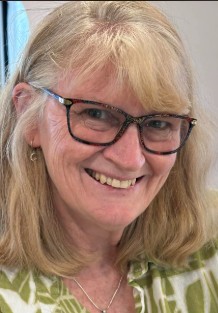 Carole Dobrich, B.Sc., RN, IBCLC
 Dale Hansson, RN, CFHN, Dip Breastfeeding Management, IBCLC
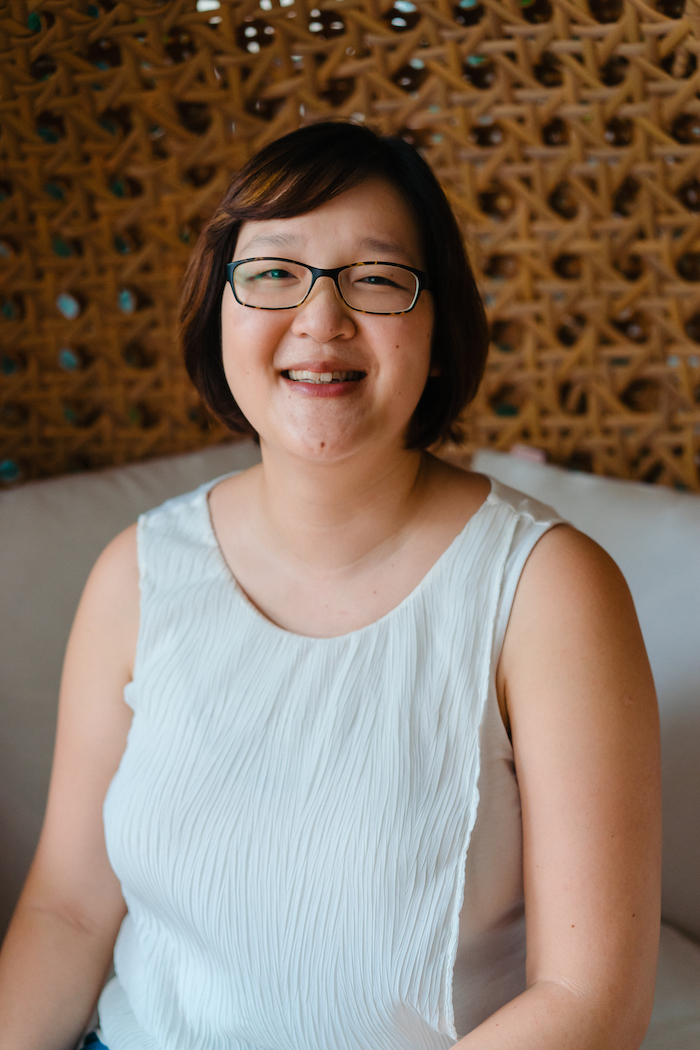 Elaine Chow